“The Sea Took His Breath, But Not His Will: Capt. Sig Hansen’s Fight to Survive”
When the Sea Takes Its Toll: The Collapse of Captain Sig on Deadliest Catch
The Bering Sea has always been a place where courage meets chaos. On Deadliest Catch, viewers have seen storms rip through decks, waves swallow steel, and men push their limits to the edge. But in one unforgettable moment, it wasn’t the sea that claimed the spotlight — it was the human heart.

The video “Captain Sig Collapses” captures a scene that chills more deeply than the northern wind. Captain Sig Hansen, the tough-as-nails skipper of the Northwestern, suddenly falters. One moment he’s barking orders; the next, his hand grips the rail, his face tightens, and he falls to the deck. The deckhands freeze. For a second, the mighty captain — the man who has stared down hurricanes — looks frighteningly small.
It’s not just a collapse; it’s a reminder. Even legends have limits.
For years, Captain Sig has been the embodiment of grit. Fans have followed his every season — through mechanical failures, crew disputes, and seas that could kill a man in seconds. He has laughed in the face of danger, led his crew with both fury and loyalty, and carried the weight of tradition as one of Alaska’s most respected crab fishermen. But when his body gives way, the illusion of invincibility shatters.
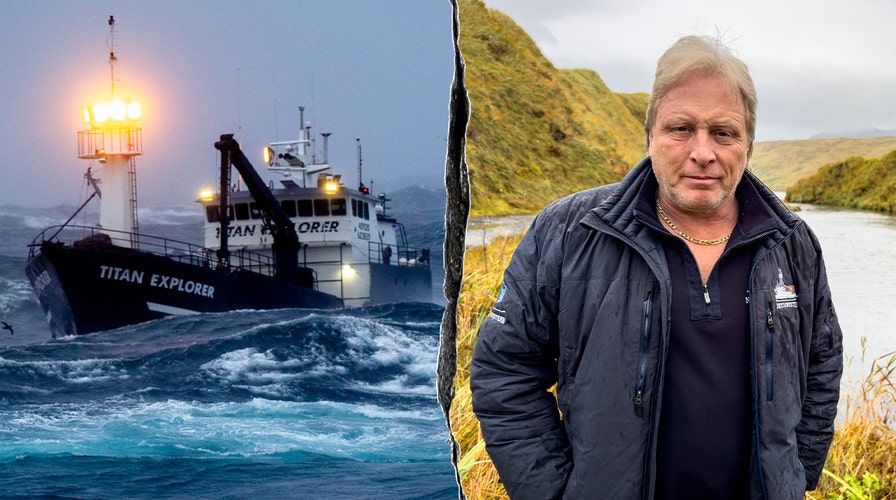




The camera doesn’t flinch. The sound of rushing waves fades behind the crew’s frantic voices. They call his name, try to steady him, and the realization spreads: this isn’t another storm they can outrun. This is mortality, raw and unfiltered.
Middle-aged viewers — many who’ve watched Deadliest Catch for years — felt something personal in that moment. Perhaps it was empathy; perhaps it was recognition. The years take their toll on everyone. The same strength that once felt endless begins to waver. The heart, that silent engine of endurance, demands rest no storm can offer.
The show has always been about danger, but this scene goes deeper. It reveals what reality television rarely admits: that real courage isn’t in fighting the sea, but in facing one’s own fragility. Captain Sig’s collapse becomes more than a medical emergency — it becomes a mirror.
:max_bytes(150000):strip_icc()/sig-ebfc4654527a464b839cbcc204de91a2.jpg)
In the aftermath, we see the crew shaken, the atmosphere subdued. The deck, once roaring with shouts and machinery, turns eerily quiet. The ocean, indifferent as always, keeps rolling. And yet, within that silence, there’s respect — for the man who’s given his life to the sea, and for the price that devotion demands.
Deadliest Catch has thrived for decades because it strips life down to its elements: survival, duty, family, and pride. It reminds viewers that beneath the bravado of television and the spectacle of storms, there are human beings who bleed, age, and break. Captain Sig’s collapse embodies that truth more powerfully than any scripted drama could.
When he finally returns — pale but determined — viewers see not weakness but willpower. The same hands that once gripped the helm in defiance now tremble slightly, yet refuse to let go. The man who fell stands again, not because he’s fearless, but because he knows what’s at stake: his crew, his legacy, and the sea that has shaped his very soul.
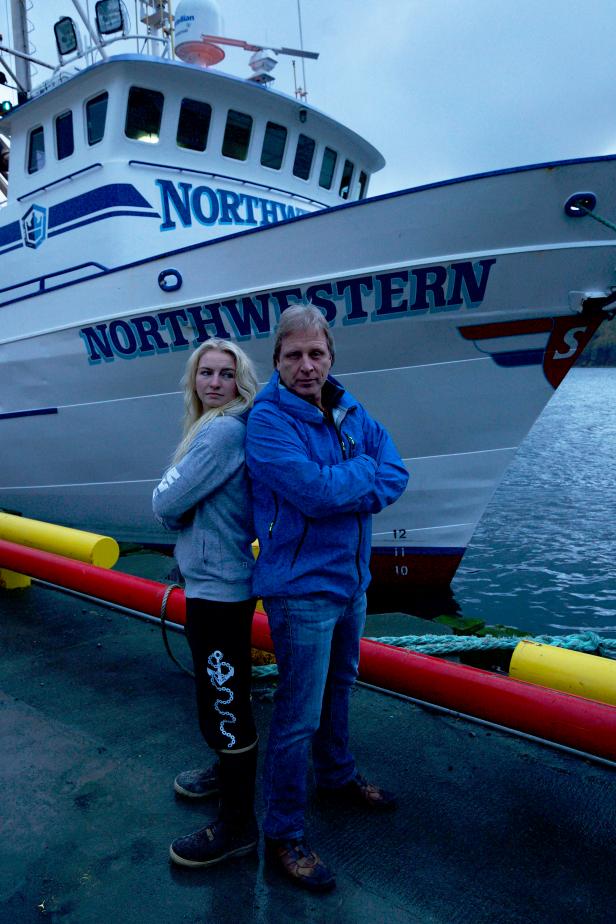
For fans who have grown older alongside the captain, it’s impossible not to feel the weight of time. His struggle mirrors their own — a body that protests, a heart that remembers, and a spirit that refuses to yield.
In the end, Deadliest Catch isn’t just about catching crabs. It’s about catching moments like this — raw, real, and undeniably human.
Because when Captain Sig Hansen collapses, the sea reminds us all: no one, no matter how strong, escapes its reckoning.