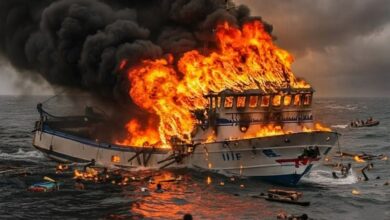
“A Doctor Breaks Down the Most Brutal Injuries in Deadliest Catch — and the Truth Is Terrifying”
Doctor Reacts To Deadliest Catch Injuries: When Medicine Faces Survival on the Bering Sea
In a YouTube video that has quickly captured the attention of Deadliest Catch fans, a medical doctor reacts to and breaks down the brutal injuries suffered by captains and crew members on the treacherous Bering Sea. Far from simple commentary, the video offers a stark, professional medical perspective on the true cost of working in one of the most dangerous jobs in the world.

Injuries That Even a Doctor Can’t Watch Easily
Throughout the video, the doctor revisits some of the most infamous moments from Deadliest Catch: captains being slammed to the deck by massive waves, deckhands caught in steel cables, and horrifying cases of broken bones, spinal trauma, and severe blood loss in the middle of the ocean.
Each incident is carefully analyzed, with the doctor explaining the mechanism of injury, the level of danger involved, and the chances of survival if immediate medical care is unavailable. He emphasizes that injuries which might be survivable on land can quickly become fatal at sea due to freezing temperatures, violent motion, and the sheer distance from emergency care.
Deadliest Catch Captains: Tough as Steel, Yet Always on the Edge
The video also focuses on familiar Deadliest Catch captains such as Sig Hansen, Jake Anderson, and Keith Colburn. According to the doctor, the physical and psychological pressure they endure for weeks at a time rivals that of a combat zone.
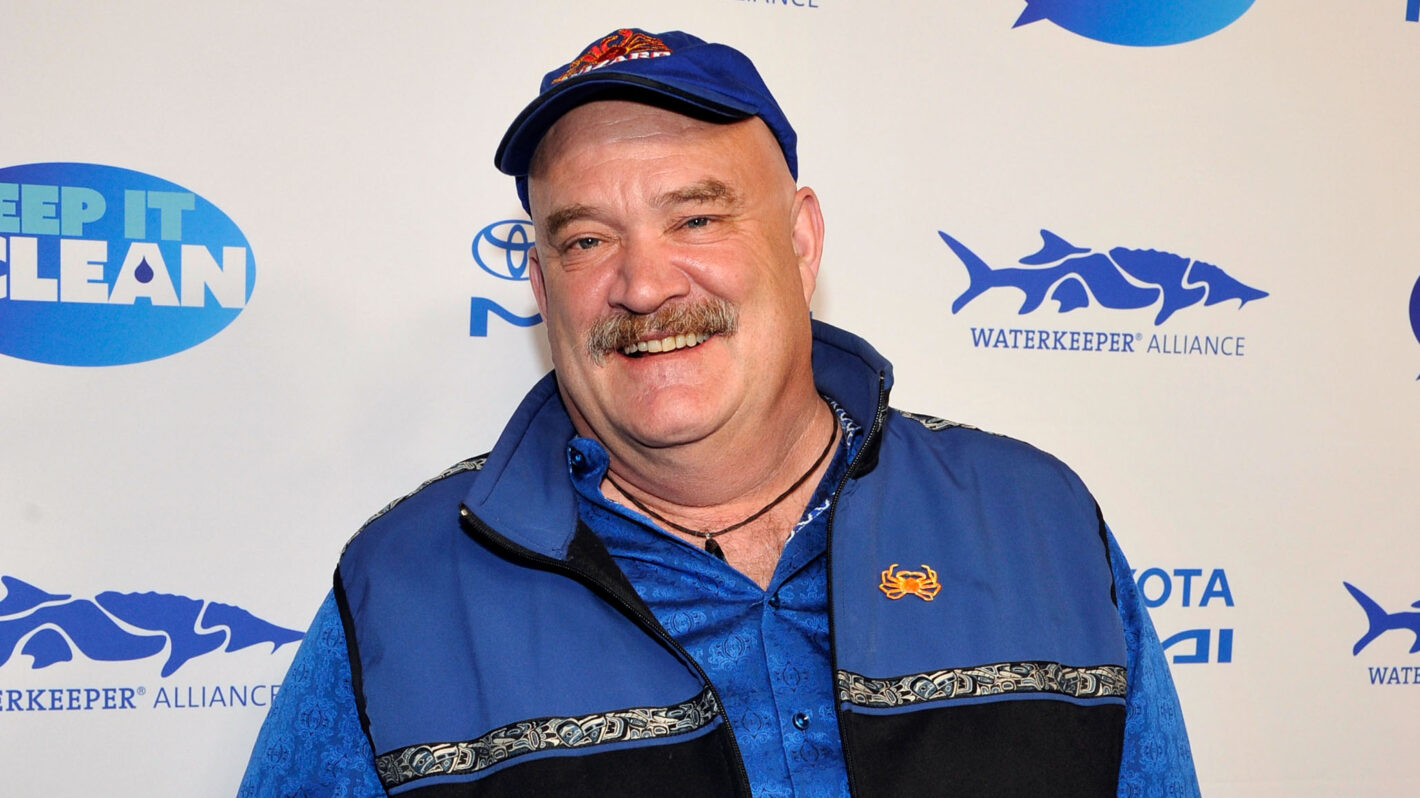
He explains that prolonged stress, chronic sleep deprivation, and extreme cold dramatically increase the risk of heart attacks, strokes, and split-second mistakes that can cost lives. “One slip, one delayed decision, and the consequences can be irreversible,” the doctor warns.




Medicine vs. the Ocean: When Time Becomes the Enemy
One of the most chilling moments in the video comes when the doctor discusses the concept of the “golden hour.” On land, critically injured patients can often be rushed into surgery within minutes. On Deadliest Catch, rescue helicopters may take hours—or may not be able to fly at all due to storms and blizzards.
This reality turns every fishing vessel into a floating emergency room, where captains are forced to make life-or-death decisions for their crew without a medical professional on board.
A Haunting Reminder for Viewers
The video concludes with a powerful message: Deadliest Catch is not just reality television—it is a raw documentation of people risking their health and lives to make a living.
“We watch these moments for suspense,” the doctor says, “but for them, this is real life—where every injury could be the last.”
The reaction has led many viewers to see the show differently: with less thrill-seeking excitement, and far more respect and empathy for the captains and crews battling the Bering Sea every season.