“Shocking Turn at Sea! Jake Pulls a Record Crab Haul and Rip Explodes on Deck!”
In a recent episode of Deadliest Catch, competitive pressures on the Bering Sea intensified when Captain Jake Anderson of the Saga hauled in an unexpectedly strong catch, drawing the attention—and frustration—of Captain Rip Carlton of the Wizard. The moment highlighted the ongoing challenges faced by crab fishing crews navigating limited fishing zones, unpredictable conditions, and the constant race to remain financially viable.
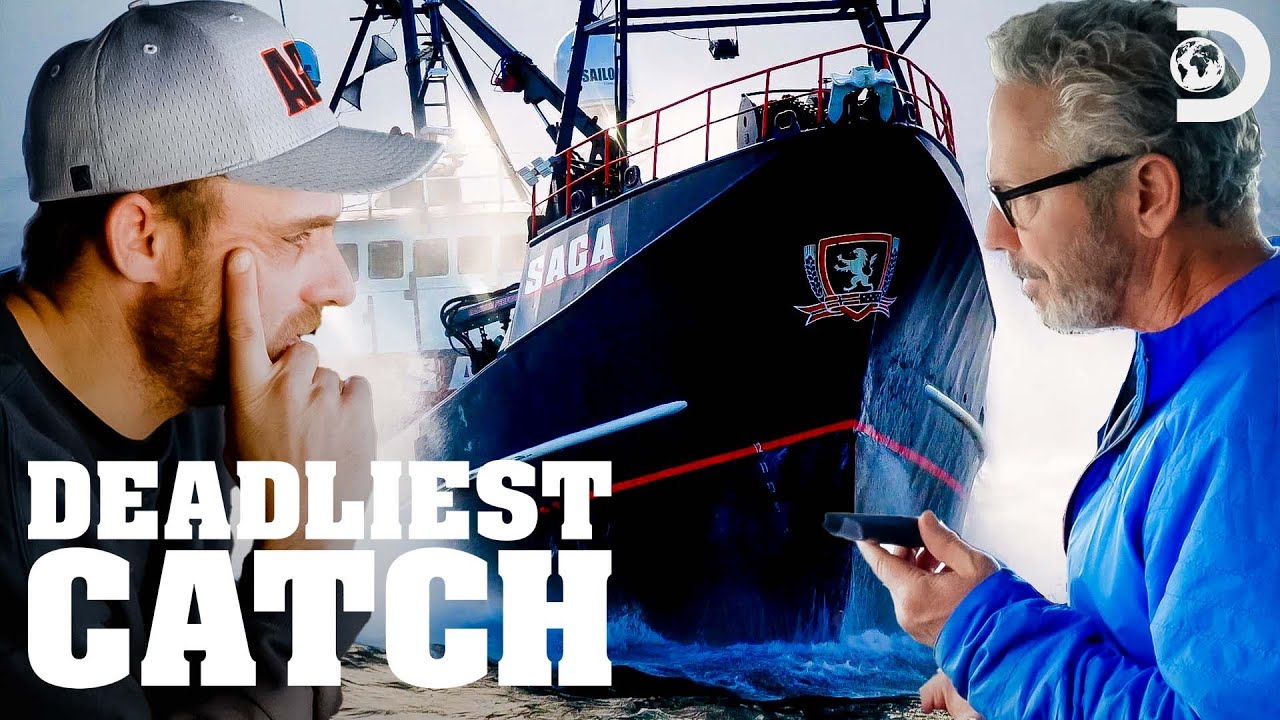
The episode shows Anderson’s crew retrieving a string of crab pots with yields far above seasonal averages. For any captain, a haul of that size represents a crucial step toward meeting quota requirements and maintaining a narrow profit margin. But such success also carries political weight in the competitive world of the crab fleet.
Captain Rip Carlton, a seasoned and outspoken figure in the industry, was visibly frustrated by Anderson’s success. His reaction stemmed not simply from competition, but from concerns over territory and resource pressure. In the Alaskan crab fisheries, where designated areas are often informally respected among captains, a large haul in a contested zone can be interpreted as a challenge or disruption of long-standing boundaries.
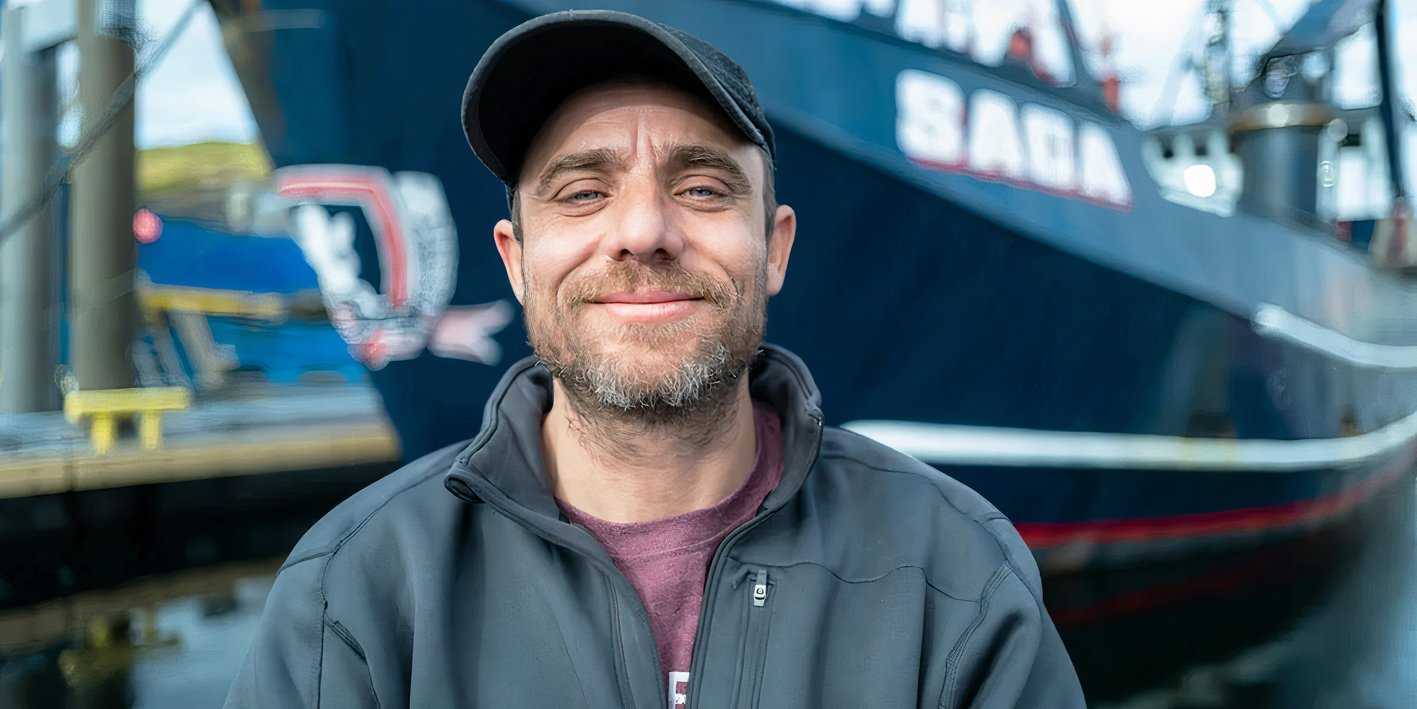
While the confrontation remained verbal and indirect, the moment underscored the complex balance between cooperation and rivalry among fishing vessels. Though all captains share the relentless hardship of crab fishing—harsh weather, physical risks, and fluctuating quotas—each is also responsible for ensuring their crew’s livelihood.
Jake Anderson, who has faced both operational and personal obstacles throughout his career on Deadliest Catch, framed the haul as an earned success rather than an intrusion. Meanwhile, Carlton’s reaction reflected the weight of leadership during a difficult season where efficiency and timing can determine financial survival.



The incident serves as a reminder of the broader reality of Alaskan crab fishing: profit margins are tight, the work is dangerous, and the pressure to perform is constant. Success for one boat may inevitably impact another, and even routine decisions can quickly escalate into conflict.
As the season progresses, it remains to be seen whether competition will intensify further or give way to uneasy cooperation among the fleet. But for now, the Bering Sea continues to test not only the physical endurance of its crews, but also the resilience of the professional relationships that bind—and sometimes divide—them.