“Crazy” Idea Turns Into Crab Catching Success: Jake Anderson Proves the Doubters Wrong !
“Crazy” Idea Turns Into Crab Catching Success: Jake Anderson Proves the Doubters Wrong

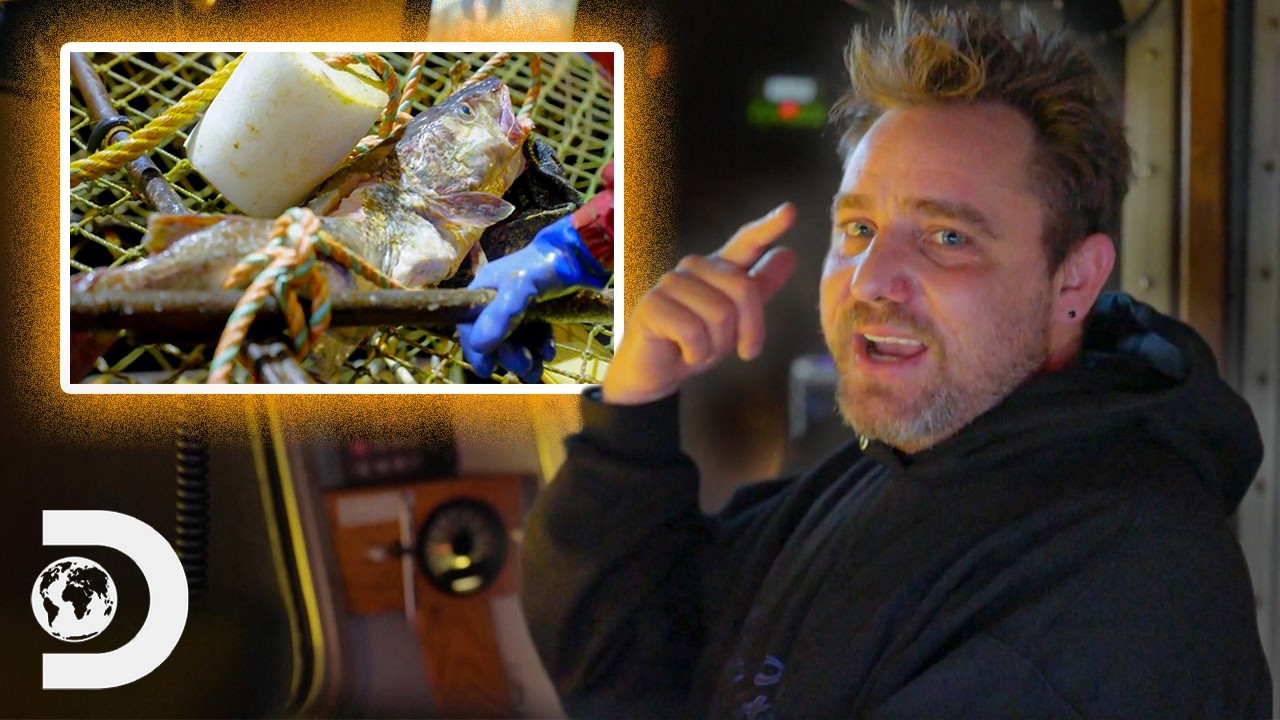
In the unforgiving waters of the Bering Sea, crab fishing isn’t just about grit and strength — it’s also about innovation. In a recent episode of Deadliest Catch, deckhand and captain-in-training Jake Anderson rolled out what many considered a “crazy” strategy for catching crab. Surprisingly, that idea didn’t sink — it floored expectations.
The Bold Plan
Jake was facing a common but brutal problem: poor yields and inefficient use of resources (pots, lines, deck time) were eating into their haul. Rather than follow the usual pattern — deploying pot after pot in the same fishing grounds — Jake proposed a change. The heart of his idea involved:
-
Altering the placement strategy of crab pots, trying spots that had been neglected or thought too risky or marginal.
-
Adjusting timing — deploying earlier or later than most boats, to try to beat competition or “ghosting” (pots already emptied by others).
-
Tweaking pot configuration to reduce loss and improve crab retention — perhaps by modifying entrances or bait setups to better suit what crabs are being caught right now.
-
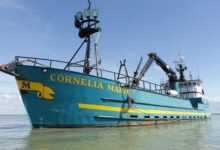



Many aboard were skeptical. After all, there’s safety in sticking with what “always works” (or at least, what everyone expects). But Jake believed that small, targeted changes could add up to big results.
From Doubt to Validation
What makes this episode stand out isn’t just that the gamble was taken — it’s that it worked. The video shows several indicators of success:
-
Higher yield: The pots placed under Jake’s plan brought in more crabs (or more “legal/keeper” crabs) than some of the more traditional pots.
-
Efficiency improvements: Fewer empty or near-empty pots, lower wasted time hauling pots that turn out to be unproductive. This means more time where the crew is pulling crabs instead of re-setting or moving gear.
-
Morale boost: On decks where success is often hard-won, having one of your own crew propose a new idea and seeing it succeed lends confidence — both for Jake and for those who doubted him. It reminds everyone that experimenting (even at risk) can lead to rewards.
-
Setting a new template: If Jake’s idea is consistently successful, it may influence how this vessel (and possibly others) deploy pots in future legs of crab season. So often these shows highlight just the danger; this time, we saw strategy, learning, adaptation.
Risks, Payoffs, and What It Means
Of course, this wasn’t magic — there were risks. Moving pots to marginal grounds could have meant:
-
Longer travel time (fuel and crew time cost).
-
Pots being destroyed, lost, or vacated (if currents or crab behavior differ).
-
Potential losses if crabs simply weren’t there in enough numbers.
But in this case the upsides outweighed those risks. The payoff was not just in more crabs, but in proving that sometimes what seems like a “crazy” idea is just outside-the-box thinking — the kind that turns a losing run into something meaningful.
What This Teaches Us
There are a few lessons — for Jake, for the crew, and even for viewers:
-
Innovation often lies just beyond comfort zones. Traditional methods have longevity because they work some of the time; adjusting them smartly can yield outsized benefits.
-
Risk is part of high-reward endeavors. In extreme jobs like crab fishing, risk is always present. But calculated risk, especially when backed by solid observation and careful adjustments, can shift the outcome.
-
Leadership emerges through ideas, not just rank. Jake’s suggestion came from someone in the ranks choosing to try something new. That’s a leadership move — a visible one when it succeeds.
Final Thoughts
On Deadliest Catch, where every haul is a fight against nature and time, Jake Anderson’s “crazy idea” reminds us that even in the most brutal work, creativity matters. Pools of crabs may lie beyond worn routes. The sea will always be harsh — but sometimes, it rewards those who dare to think differently.
If you want, I can pull up some screenshots or quotes from the video to build out a more detailed article with direct evidence (so it’s more journalistic). Want me to do that?